
Dr. Wu Mingjie’s Clinical Formula Sharing from 40 Years of Pediatric TCM Practice
Dr. Wu Mingjie, a Doctor of Traditional Chinese Medicine specializing in pediatrics, inherited the Lingnan School’s traditional TCM philosophy. He compiled commonly used pediatric formulas into easy-to-remember verses for transmission.
For children’s various illnesses, use malt sprout;
Cicada slough, raw licorice, and hyacinth bean flower;
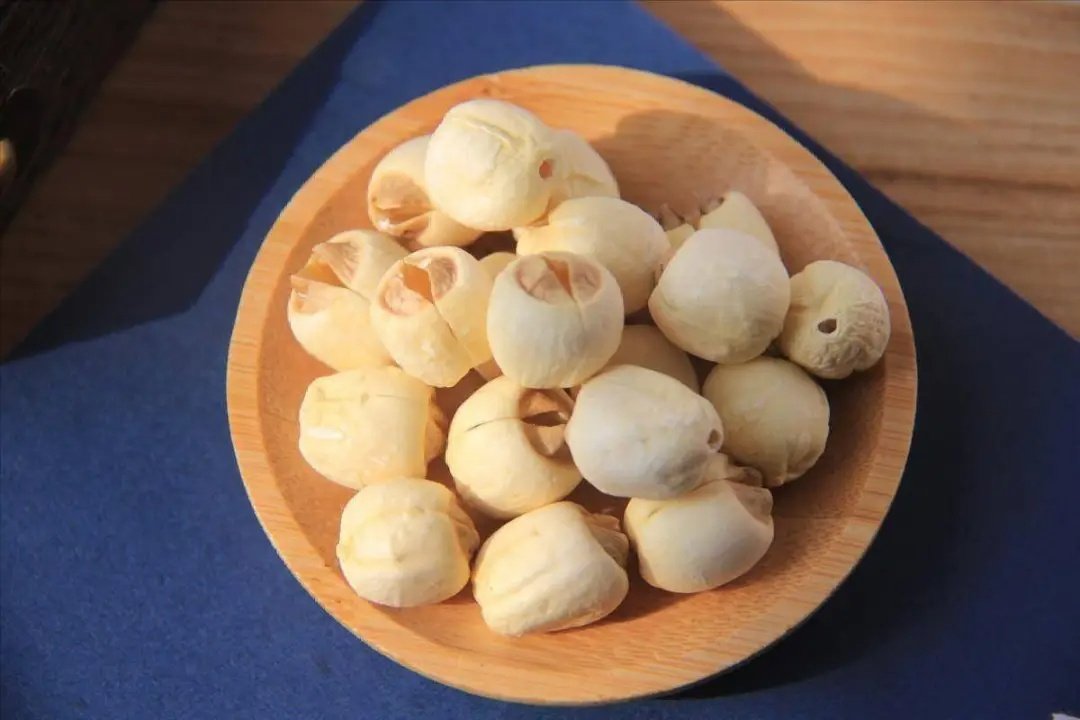
Lotus seed, remove the heart—bear this in mind;
Add according to shallow or deep, cold or heat as needed.
This approach leans toward the general principle of “regulating the middle (spleen-stomach) as the foundation, while addressing both external and internal factors.” Dr. Wu analyzes it from four levels: principle – method – formula – herbs, explaining why he has “frequently used this formula” in his 40 years of pediatric practice.
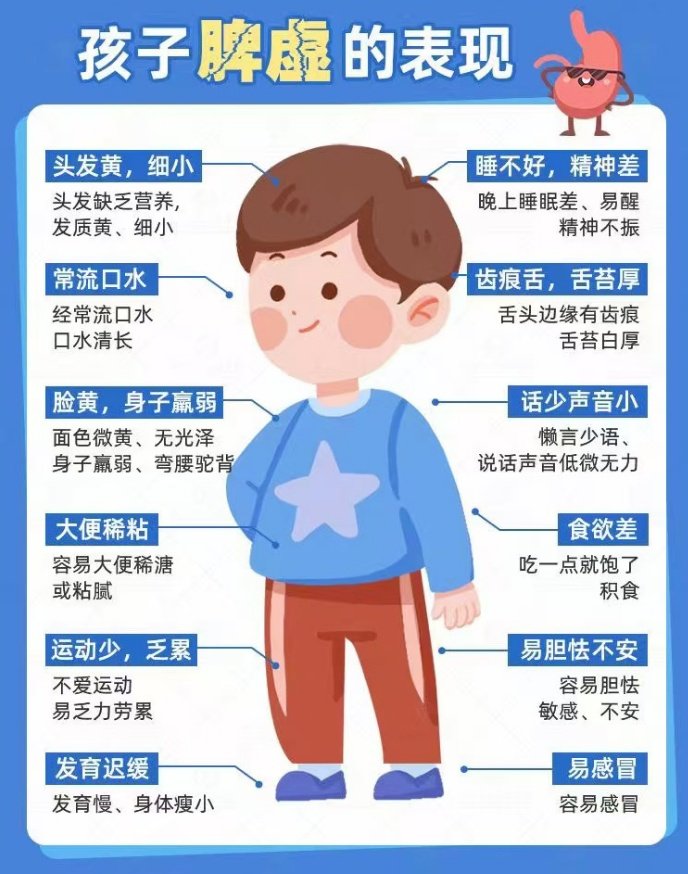
1. Overall Medical Theory: Children’s “Spleen Often Deficient, Prone to Change”
This is the fundamental reason the verse works.
1️⃣ Physiological characteristics of children
Spleen often deficient: Weak digestive function, prone to food stagnation, diarrhea, phlegm-damp.
Lung often deficient: External defense weak, easily affected by wind pathogens.
Liver often excessive: Common in emotional issues, convulsions, tics.
Rapid disease changes: Cold-heat, deficiency-excess can shift quickly.
👉 Therefore, the core of pediatric treatment is not “aggressively attacking pathogens,” but:
Supporting central Qi, harmonizing spleen and stomach, clearing and venting gently, adjusting for cold and heat.
This verse centers around that core.
2. Method Analysis: “Harmonizing the Middle” as the Pivot, Balancing Exterior and Interior
From a therapeutic perspective, it reflects four key strategies:
Strengthen the spleen and assist digestion (for internal injury)
Clear and vent the exterior (for external invasion)
Calm the heart and clear vexation (protect heart and kidney)
Add or subtract based on cold, heat, deficiency, excess (highly flexible)
This is why its range of application is extremely broad, and we “use it frequently.”
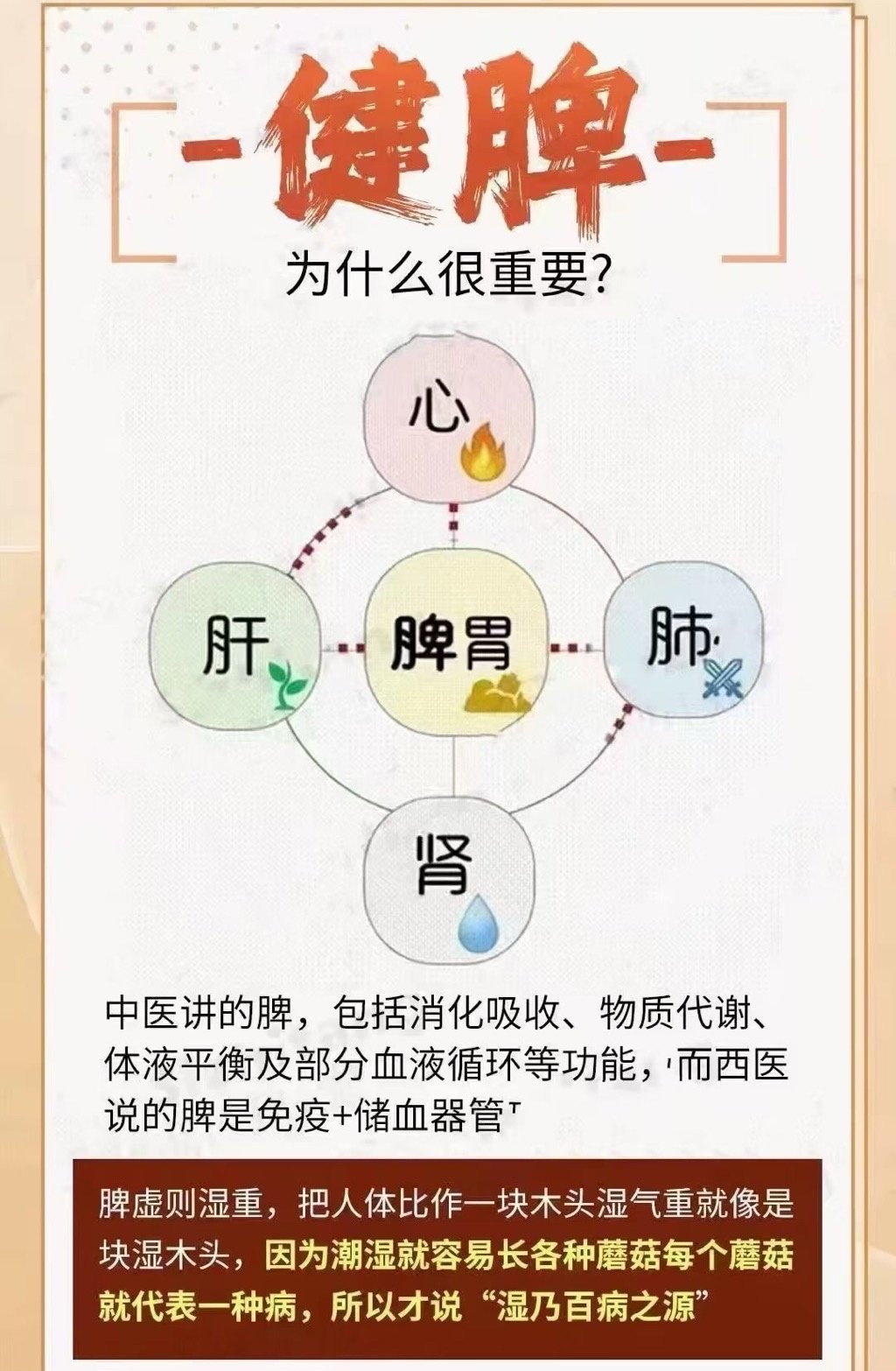
3. Formula Breakdown (Line-by-Line Analysis)
🌾 “For children’s various illnesses, use malt sprout”
Malt sprout = the first essential herb in pediatrics.
Functions:
Digest food, harmonize the middle.
Strengthen the spleen, assist digestion.
Does not harm healthy Qi.
👉 In pediatrics, “nine out of ten diseases involve food damage.”
Even in fever, cough, night crying, or diarrhea, if the spleen-stomach is stagnant, the condition lingers.
📌 Why it’s commonly used:
Extremely mild in property.
Treats the “cause of disease” without interfering with other treatments.
Can almost serve as a base herb in pediatric prescriptions.
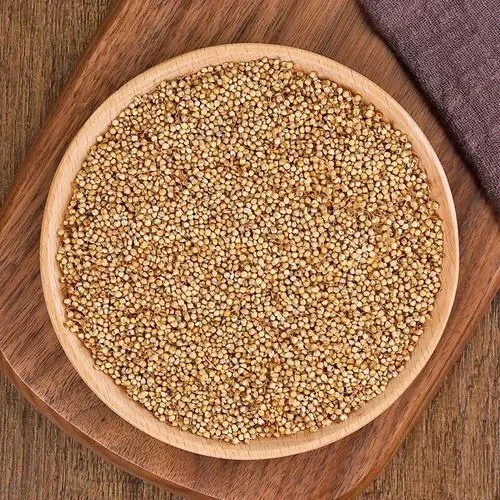
🦗 “Cicada slough, raw licorice, and hyacinth bean flower”
A combination for gentle venting, dispersing wind, and releasing the exterior.
Cicada slough:
Disperses wind, releases exterior.
Promotes rash eruption, relieves itching.
Clears throat, calms fright.
👉 Especially suitable for:
Pediatric external invasions.
Rashes that fail to emerge.
Night crying, restlessness.
Sore throat, hoarseness.
Raw licorice:
Harmonizes other herbs.
Clears heat, detoxifies.
Protects the spleen-stomach.
Hyacinth bean flower:
Aromatic, transforms dampness.
Awakens the spleen, harmonizes the middle.
Clears summerheat without being too cold.
📌 The brilliance of this group lies in:
“Light, clear, slow, harmonious” — not overly diaphoretic, not bitter-cold to damage the stomach, fully aligned with pediatric principles.
🌸 “Lotus seed, remove the heart—bear this in mind”
This is the key to nourishing the center while avoiding cloying effects, and clearing the heart without causing stagnation.
Lotus seed:
Tonifies the spleen, stops diarrhea.
Nourishes the kidney, secures essence.
Calms the heart, tranquilizes the spirit.
Removing the heart:
Lotus seed heart is bitter and cold.
Children’s Yang-Qi is not yet full; it can injure central Yang.
👉 After removing the heart:
Nourishing without being cold.
Calming without being drying.
📌 We use it because:
It addresses diarrhea, night crying, vexation, chronic weakness.
And it won’t “over-tonify.”
⚖️ “Add according to shallow or deep, cold or heat as needed”
This is the most clinically valuable line in the verse.
It means:
This is a basic framework, not a fixed formula.
You may add:
For cold: small amounts of dried ginger, tangerine peel.
For heat: honeysuckle, forsythia.
For phlegm: pinellia, poria.
For cough: platycodon, apricot seed.
For diarrhea: Chinese yam, coix seed.
For convulsions: uncaria, mother-of-pearl.
👉 So it is not “a single formula,” but a pediatric thinking model.
4. Why We “Frequently Use This Formula”
✔️ 1. High safety
Mild properties.
Does not harm healthy Qi.
Unlikely to cause imbalance.
✔️ 2. Wide coverage of diseases
Cold/flu
Cough
Diarrhea
Food stagnation
Night crying
Skin rashes
Post-illness recovery
✔️ 3. Aligns with pediatric prescribing principles
Light, gentle, protecting the middle.
✔️ 4. Stable clinical efficacy
Effects may not be dramatic.
But course is short, relapse rare.
5. One-Sentence Summary
This is not “a formula for a specific disease,” but “a foundational formula suited to children’s constitution.”
That’s why we repeatedly use it across different conditions.
If you want, I can also prepare a polished bilingual poster version so this information looks professional for clinic displays or academic presentations. Would you like me to do that next?