Fengyang Daoist TCM Teaching Case | A 20-Year Chronic Fatigue Turnaround: A Record of Mind-Body Healing for a Middle-Aged Woman
I. Patient Profile
Name: Anonymous (real name omitted for privacy)
Gender: Female
Age: 41 years old
Occupation: Self-employed Group Exercise & Dance Instructor for Seniors in Malden, MA, USA
Marital Status: Married
Reason for Consultation: Chronic fatigue accompanied by multisystem dysfunction
II. Core Complaint: 20 Years of Chronic Fatigue, Body and Mind Exhausted
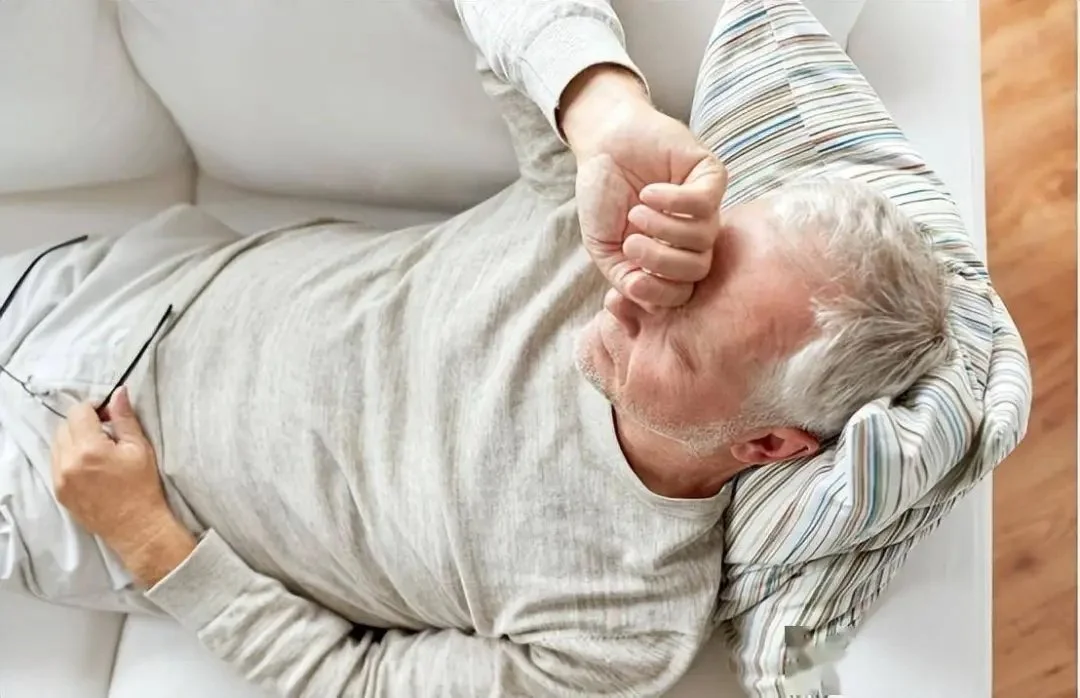
The patient reports being plagued by chronic fatigue for over 20 years. She wakes up feeling extremely exhausted every morning, with continuously declining physical strength and endurance, severely impairing her quality of life. Specific manifestations include:
General Discomfort: Shortness of breath and low vital capacity; easily winded upon slight exertion. Cold hands and feet, poor blood circulation, and frequent dizziness with postural changes. Excessive sweating (especially night sweats).
Head Symptoms: Brain fog (cloudy thinking) and recurrent chronic sinusitis.
Sensory Abnormalities: Eyes feel dry as if rubbed with sandpaper; loss of smell for nearly 2 months.
Digestion and Mood: Morning diarrhea; long-term low mood, anxiety, and depressive tendencies.
III. Medical History Review: Old Injuries and New Illnesses Compound the Problem
The patient has a complex medical history, with multiple factors exacerbating physical depletion:
Trauma History: Two whiplash injuries; medial collateral ligament (MCL) strain of the knee at age 19.
Surgical History: Appendectomy in 2022.
Long-term Consumption: History of insomnia since adolescence; recent diagnosis of "adrenal fatigue"; long-term state of overwork.
COVID-19 Impact: After contracting COVID-19 in 2023, pulmonary symptoms (shortness of breath, loss of smell), fatigue, and brain fog worsened significantly.
She has tried various natural therapies such as Craniosacral Therapy, Acupuncture, PEMF Oxygen Therapy, and Functional Neurology. Symptoms improved slightly but never reached full recovery.
IV. Family and Health Background: Potential Risks to Be Aware Of
Family History: Mother had breast cancer (now in remission) and Parkinson’s disease (15-year history); Father had testicular cancer at age 30. Family history also includes heart disease, diabetes, eye diseases, and dementia.
Allergies: Sensitive to pollen, dust, and seasonal allergens.
V. Dietary Management: Self-Discipline Fails to Solve the Dilemma
The patient focuses on dietary management long-term, actively avoiding gluten, dairy, alcohol, refined sugar, and preservatives. Her daily diet consists mainly of fruits, vegetables, nuts, seeds, chicken, fish, and legumes. Although she underwent food sensitivity testing, the results were not significant, and she remains troubled by fatigue.
VI. TCM Four Diagnostic Methods: Tongue and Symptoms Reveal the Nature of "Yin Deficiency"
Observation
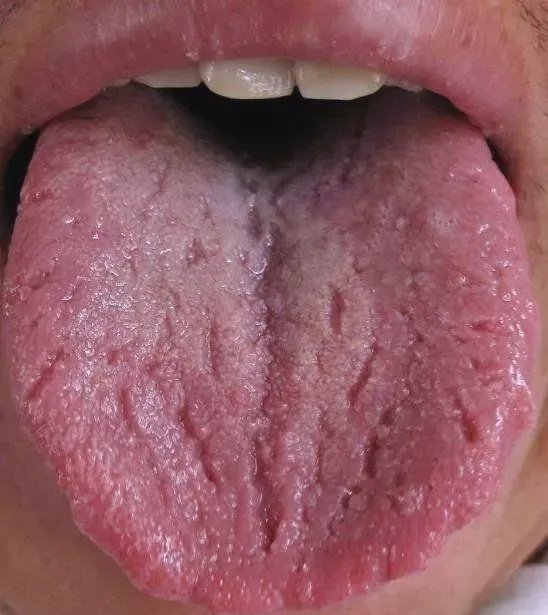
Tongue: Pale red tongue body with deep and numerous cracks (+++), no coating, and no obvious stagnation of sublingual veins.
Inquiry: Night sweats, dry eyes, chronic fatigue, low mood, cold hands and feet, morning diarrhea.
TCM Syndrome Differentiation
Syndrome Type: Liver-Kidney Yin Deficiency
Pathomechanism Analysis: Prolonged illness consumes Liver and Kidney Yin. Yin deficiency fails to nourish the brain marrow and sinews, leading to fatigue, brain fog, dry eyes, night sweats, and cracked tongue with no moss. Yin deficiency fails to control Yang, causing internal disturbance by deficient fire, further affecting spirit and sleep, creating a vicious cycle.
VII. Treatment Principle: Nourish Yin and Tonify Liver-Kidney, Cultivate the Root and Restore the Body
Targeting the core pathogenesis of "Liver-Kidney Yin Deficiency," the general principle is "Nourish Yin to tonify the Kidneys, clear deficient heat, and guide fire back to its origin." By combining external treatment, oral medication, and exercises, the goal is to help the patient re-establish Yin-Yang balance.
VIII. Treatment Plan: Internal and External Cultivation, Dynamic and Static Balance
1. External Therapy: Fuyang San Application on Yongquan Acupoint (KD 1)
Usage: Take 2 grams (2 scoops) of Fuyang San (Warming Yang Powder), mix with honey into a paste, apply to the soles of both feet (Yongquan acupoints) before bed, and leave on for 8 hours each night.
Function: Warms Yang, guides fire back to its origin, connects Heart and Kidneys, and regulates Yin-Yang imbalance.
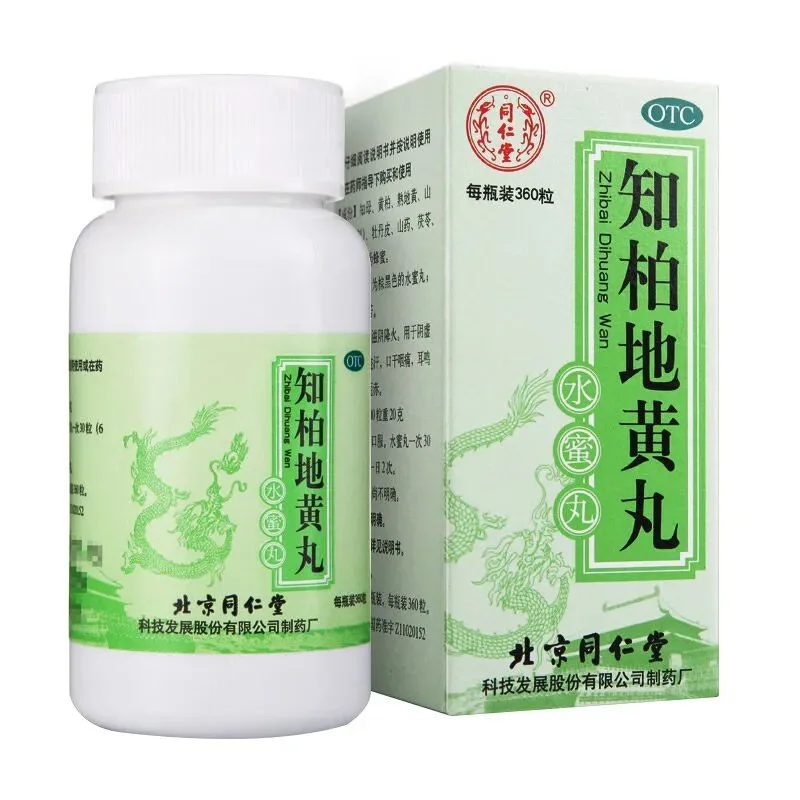
2. Oral Chinese Herbal Medicine: Zhibai Dihuang Wan (Anemarrhena, Phellodendron, and Rehmannia Pill)
Dosage: 8 pills per dose, 3 times daily, taken with warm water.
Efficacy: Nourishes Yin to tonify the Kidneys and clears deficient heat, specifically addressing night sweats, fatigue, and brain fog caused by Yin deficiency with effulgent fire.
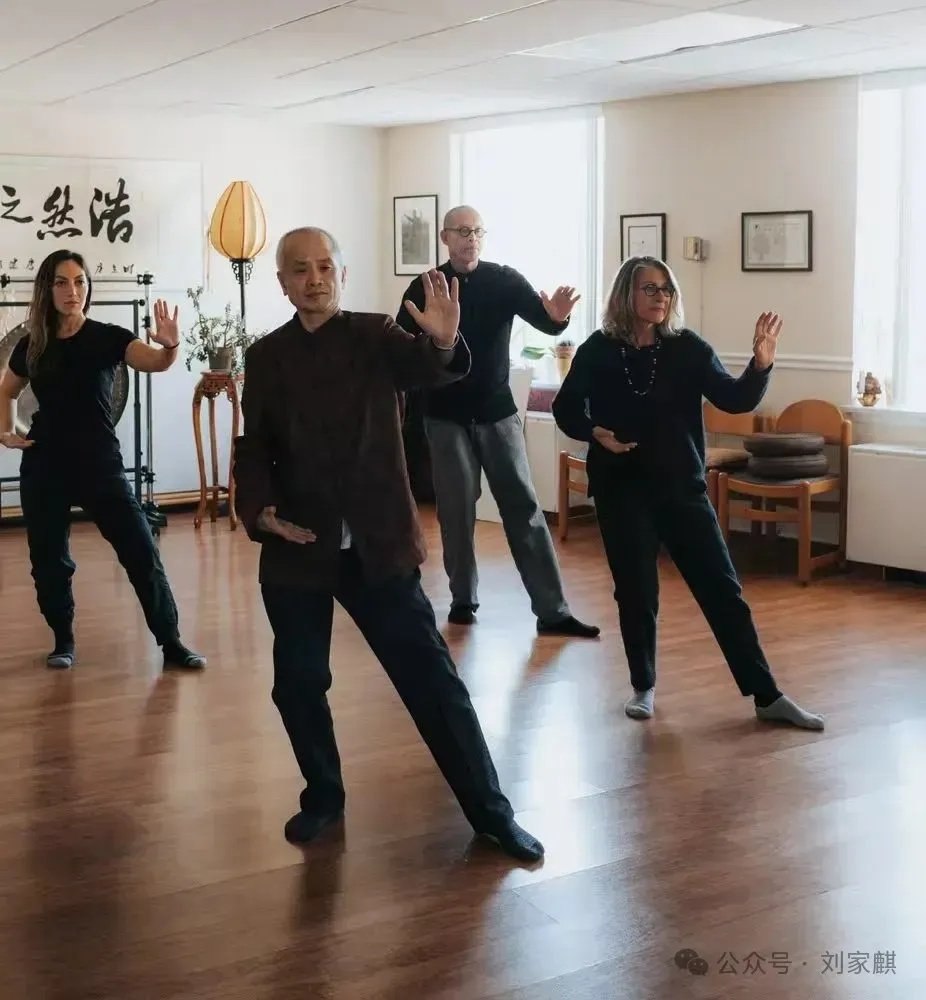
3. Exercise Regimen: Traditional Tai Chi to Strengthen the Foundation
Recommended Practice: Classical Yang Style Tai Chi
Location: Boston Ginsoon Tai Chi School (Address: 33 Harrison Ave, 5th Floor, Boston, MA; Tel: 617-542-4442)
Frequency: Twice weekly
Function: Harmonizes Qi and blood, improves lung function, regulates the nervous system, and enhances physical strength and endurance to elevate constitution from the root.
IX. Holistic Wellness Recommendations: Details Determine Recovery Speed
Regular Routine: Ensure adequate sleep; avoid staying up late to prevent consuming Yin fluids.
Persist with Tai Chi: Integrate Tai Chi into daily life with breathing exercises (e.g., abdominal breathing) to strengthen Qi and blood circulation.
Dietary Balance: Maintain current healthy eating habits; avoid excessive supplementation or cold foods that injure the stomach.
Moderate Work-Rest Balance: Reject overwork, learn to "slow down," and allow time for bodily repair.
Emotional Regulation: Relieve anxiety through Tai Chi, meditation, etc., to avoid emotional internal damage that worsens Yin deficiency.
Conclusion
This case of 20-year chronic fatigue stems from a root of Liver-Kidney Yin Deficiency, triggered by old injuries, overwork, and COVID-19, forming a vicious cycle of "Deficiency-Damage-Decline." Traditional Chinese Medicine treats the root with "Nourishing Yin and Tonifying Liver-Kidney," while regulating the branches with "External Treatment + Exercises," opening the door to recovery for the patient. As stated in the Huangdi Neijing (Inner Canon of the Yellow Emperor): "When Yin is calm and Yang is secret, the spirit is governed." The foundation of health lies in the balance of body and mind.
(Note: This article is a teaching case study. Individual treatment requires following a physician's instructions. Please do not self-prescribe.)