
Gua Sha - Relieving Fatigue and Stress • Detoxification • Boosting Immunity • Easing Muscle Pain • Promoting Blood Circulation
Editor-in-Chief: Mingjie Wu
Associate Editors: Qingzhen Chen, Jiaqi Liu, Lili Han
Mingjie Wu Institute of Chinese Medicine (China)
Daoist Institute of Chinese Medicine (USA)
China Website: www.mingjiewu.com
USA Website: www.fengyangtcm.com
Email: DrWu@FengyangTCM.com
What Is Gua Sha?
Gua Sha is a traditional Chinese therapy in which a smooth-edged tool—typically made of buffalo horn, jade, or stainless steel—is scraped across the skin to produce a mild, transient redness known as "sha." This technique is believed to promote blood circulation and the smooth flow of qi (vital energy) and blood. It is most commonly applied to the back, shoulders, and neck, and is sometimes used on the face and limbs as well.
Promoting Blood Circulation and Removing Stasis
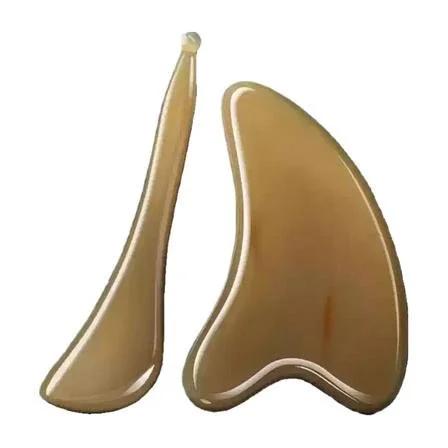
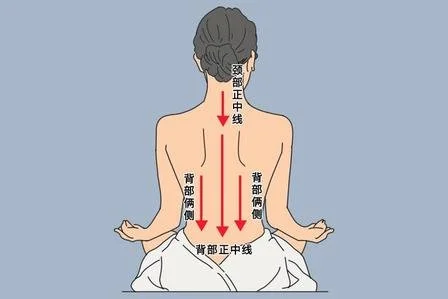
Gua Sha helps open the meridians and improve circulation, easing discomfort caused by sluggish blood flow.
Relieving Muscle Pain
For muscle soreness caused by strain, cold, or stress, Gua Sha can effectively reduce pain and tension.
Boosting Immunity
By stimulating the skin and deeper tissues, Gua Sha may help strengthen the body’s immune response and support its natural healing capacity.
Relieving Fatigue and Reducing Stress
Because Gua Sha relaxes the muscles and relieves fatigue, many people also use it as a form of stress reduction.
Detoxification
The scraping action can stimulate metabolism and aid the body in eliminating toxins, producing a mild "detoxifying" effect.
History
Gua Sha has a long history, with origins tracing back thousands of years in China. Originally a folk remedy, it was widely used to treat colds, fever, headache, muscle aches, and other common ailments. In ancient times, Chinese medicine held that illness arose from "wind, cold, heat, and dampness" invading the body; scraping the skin was thought to expel these pathogenic factors and restore balance.
As Chinese medical theory developed, Gua Sha was gradually incorporated into the formal practice of Chinese medicine and spread to other countries and regions—such as Vietnam and Thailand—where distinct methods and techniques evolved. Today, Gua Sha is widely used not only within Chinese medicine but also by a growing number of people who turn to this natural therapy to maintain their health.
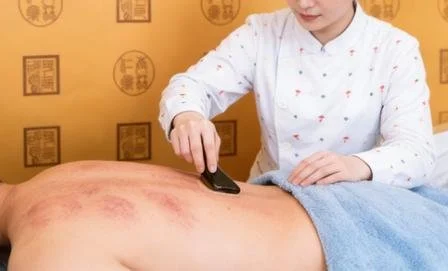
How Can Gua Sha Support Recovery in Cancer Patients?
In recent years, Gua Sha has drawn attention as a complementary therapy in cancer rehabilitation—particularly for easing the side effects of cancer treatment and improving quality of life. While Gua Sha cannot replace conventional medical treatment, it can play a supportive role in the overall care of cancer patients.
Relieving Pain
Cancer patients often experience pain of varying severity, especially pain caused by tumor compression or by treatments such as radiation and chemotherapy. By stimulating the skin and deeper tissues, Gua Sha can help ease pain and relax muscles. The technique improves local blood circulation, reduces inflammation, and lessens the perception of pain.
Improving Blood Circulation and Immunity
Cancer treatments—particularly chemotherapy—can weaken a patient’s immune system. Gua Sha may stimulate the body’s meridians and acupoints, promote the smooth flow of qi and blood, and support the body’s self-repair and immune function. By aiding circulation and helping eliminate toxins, it may help strengthen the patient’s ability to fight disease.
Reducing Side Effects of Chemotherapy and Radiation
Chemotherapy and radiation are common cancer treatments, but they often bring side effects such as nausea, fatigue, dry mouth, and loss of appetite. Gua Sha may help relieve some of these discomforts. For example:
By promoting gastrointestinal function, Gua Sha may help ease the nausea and vomiting caused by chemotherapy.
It may help reduce the fatigue and insomnia that can follow radiation therapy.
Stimulating specific acupoints with Gua Sha may improve symptoms such as dry mouth and mouth sores.
Relaxing the Mind and Reducing Stress
The psychological stress of a cancer diagnosis and its treatment takes a heavy toll on recovery. Gua Sha can help relax the body and mind and ease anxiety and stress. By releasing tense muscles, it can bring emotional relief, improve sleep quality, and support the body’s natural healing capacity.
Promoting Detoxification and Reducing Swelling
After cancer treatment, the body may accumulate metabolic waste. By promoting blood and lymphatic circulation, Gua Sha can support metabolism, aid detoxification, and reduce edema—with a particular potential benefit in lymphedema rehabilitation.
Precautions
Individualized treatment: Every cancer patient’s condition is different. The intensity, frequency, and areas treated should be tailored to the individual. For patients who are frail or recovering from chemotherapy or radiation, Gua Sha should not be overused, so as not to burden a weakened body.
Avoid the tumor site: Gua Sha should never be performed directly over a tumor, especially an active tumor or on broken skin.
Communicate with your physician: Before trying Gua Sha or any complementary therapy, cancer patients should consult their oncologist to ensure the therapy will not interfere with ongoing treatment or cause adverse reactions.
Seek professional guidance: Gua Sha is best performed under the supervision of a qualified Chinese medicine practitioner to ensure correct and safe technique.
Summary
As a traditional Chinese therapy, Gua Sha can complement cancer recovery by helping ease symptoms, support immunity, promote self-healing, and reduce treatment side effects. It should, however, always be used as an adjunct—integrated with conventional medical treatment and care. When applied, it must be individually tailored to the patient’s condition and constitution, with close attention to the patient’s response.
How Can Gua Sha Help Reduce Fever in Patients with Tumor-Related Fever?
Gua Sha, a traditional Chinese therapy, is often used to relieve symptoms caused by imbalance between cold and heat or by poor flow of qi and blood. For patients with tumor-related fever—persistent fever caused by a tumor—Gua Sha may help ease elevated body temperature, primarily by opening the meridians, regulating qi and blood, and improving internal circulation as a form of adjunctive care.
How to Use Gua Sha for Tumor-Related Fever
Selecting appropriate areas:
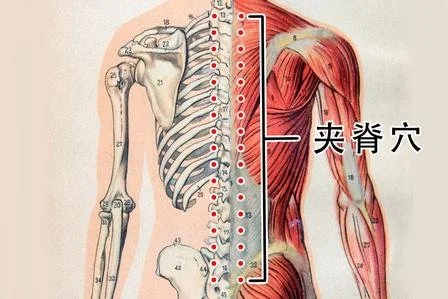
Back: Points such as Dazhui (GV14), Fengchi (GB20), and Jianjing (GB21)—especially the upper back—are commonly used to open the meridians and dissipate heat.
Arms and legs: The inner upper arm, wrists, knees, and both sides of the spine can help regulate body temperature and release heat.
Chest: The Danzhong point (CV17), for example, can help balance the body’s qi mechanism and "reduce fire."
Preparation before Gua Sha:
Apply a lubricating Gua Sha oil, essential oil, or warm herbal oil to prevent excessive friction from injuring the skin.
Keep the patient in a quiet, warm environment, free from cold drafts.
Technique:
Gentle and gradual: Movements should be light and gentle to avoid overstimulating a weakened patient, as the skin and overall condition of cancer patients are often fragile.
Using a Gua Sha board, begin at both sides of the spine, the shoulders, and the Dazhui area, stroking gently along the direction of the muscles.
If the patient’s temperature is high, the frequency of strokes may be moderately increased, but the patient’s response should be closely watched to avoid overstimulation.
Observation and adjustment:
If the patient feels comfortable and the fever eases after Gua Sha, the session may continue. If nausea, dizziness, or other discomfort occurs, stop immediately and seek medical help.
The fever-reducing effect varies from person to person; Gua Sha is an adjunct and should not be relied upon exclusively.
Principles and Effects
Opening the meridians and clearing heat: By stimulating the skin and the surface of the muscles, Gua Sha enhances blood circulation, improves the flow of qi and blood, and helps the body release internal heat.
Regulating qi and blood, balancing yin and yang: Tumor-related fever is often attributed to the accumulation of "pathogenic factors" and an imbalance between yin and yang. Gua Sha may help restore internal balance and ease fever caused by "yin deficiency with hyperactive fire."
Promoting metabolism: Gua Sha can stimulate local blood circulation and lymphatic drainage, aiding the removal of toxins and helping relieve heat-related symptoms caused by tumors.
Precautions
Temperature and environment control: Keep the patient warm throughout the session to avoid chilling, and ensure warmth after treatment.
Do not over-scrape: For frail cancer patients in particular, sessions should be limited to about 15–20 minutes each.
Avoid the tumor site: Never scrape directly over a tumor, to avoid stimulating the area.
Communicate with your physician: Cancer patients must consult their oncologist before undergoing Gua Sha, especially to ensure it will not interfere with chemotherapy or radiation.
Summary
As an adjunct, Gua Sha can help ease tumor-related fever by regulating qi and blood, clearing heat, and opening the meridians. However, its effect varies by individual, and it cannot replace medical treatment. If the fever persists or symptoms are severe, consult a Chinese medicine oncology specialist for pattern-based treatment. For example, a wind-heat exterior pattern may be treated with the heat-clearing, exterior-releasing method, using Yin Qiao San; if the heat has moved from the exterior to the interior with a surging, rapid pulse, Baihu Tang may be used; for interior heat with constipation, Da Chengqi Tang may apply; and if the pathogen has entered the Shaoyang channel with a string-taut pulse and bitter taste in the mouth, Xiao Chaihu Tang may be used.
How Can Gua Sha Help Relieve Symptoms in Fibromyalgia Patients?
As a traditional Chinese therapy, Gua Sha can stimulate the body’s meridians and acupoints, promote blood circulation and the flow of qi and blood, and help relieve a variety of symptoms. For patients with fibromyalgia, Gua Sha may offer some supportive benefit in easing fatigue and pain. Below are suggestions for using Gua Sha to relieve fibromyalgia symptoms.
1. Basic Principles of Gua Sha
Gua Sha involves scraping a tool across the surface of the skin to activate local blood circulation, open the meridians, promote the removal of metabolic waste, and relieve muscle tension. These mechanisms can help reduce pain and fatigue.
2. Areas Commonly Treated
In fibromyalgia patients, pain commonly occurs in the following areas:
Shoulders and neck: Tension in these areas may worsen discomfort.
Back: Especially the middle and lower back, where muscle pain and stiffness are common.
Thighs and calves: The muscles of the lower limbs may also be affected, particularly after prolonged sitting or inactivity.
3. Technique
Choose a tool: A specialized Gua Sha board—typically made of buffalo horn, jade, or ceramic, or a stainless-steel spoon—may be used. Choose one with smooth edges and a comfortable grip.
Apply a lubricant: Before scraping, apply a plant oil or lotion to prevent excessive friction on the skin.
Direction: Follow the course of the meridians, stroking gently along the shoulders, back, and neck. Generally, stroke from top to bottom and from the center outward to promote the flow of qi and blood.
Pressure: The pressure should not be too strong and should be adjusted to the individual’s tolerance. If an area feels painful or overly uncomfortable, reduce the pressure accordingly.
Precautions
Avoid areas of acute inflammation: Do not perform Gua Sha where there is inflammation or swelling, so as not to worsen the condition.
Limit session length: Keep each area to 5–10 minutes to avoid overstimulation.
Stay warm and relaxed: After Gua Sha, keep warm and avoid chilling, which could worsen symptoms.
Combine with other therapies: Gua Sha can be one part of a fibromyalgia treatment plan. Combining it with other approaches—such as internal treatment with the dampness-resolving formula Huoxiang Zhengqi San, tuina (Chinese massage), cupping, physical therapy, tai chi, and exercise therapy—may enhance results. Gentle stretching, meditation, and yoga can complement Gua Sha especially well.
Consult a professional: If you are unsure how to perform Gua Sha safely and effectively, seek guidance from a Chinese medicine practitioner or a qualified Gua Sha therapist. Given the complexity of fibromyalgia, it is best to have a professional practitioner identify the underlying pattern and prescribe Huoxiang Zhengqi San for internal use.
In short, Gua Sha, as a complementary therapy, may help fibromyalgia patients ease certain discomforts, but it should not replace professional medical treatment.
Can Gua Sha Serve as a Complementary Therapy for Hyperthyroidism?
Gua Sha is a traditional Chinese therapy commonly used to relieve pain, promote blood circulation, and balance the body’s qi and blood. However, for endocrine disorders such as hyperthyroidism (including Graves’ disease and toxic goiter), Gua Sha is not a standard treatment. It should be used cautiously and ideally under the guidance of a qualified Chinese medicine practitioner.
If you are considering Gua Sha as a complementary approach to hyperthyroidism, the following theoretical rationale may be referenced, but it must always be combined with conventional medical treatment.
1. Selecting Appropriate Areas
The symptoms of hyperthyroidism are associated with imbalance of qi and blood and with "heat pathogens" in the body. Gua Sha may be applied to the following areas:
Neck: The thyroid is located in the neck, and the area may be gently scraped. Avoid scraping directly over the thyroid itself to prevent discomfort.
Back: Especially the scapular region and both sides of the spine, which can help open the meridians and improve the circulation of qi and blood.
Shoulders and neck: These areas are closely linked to organ function; poor qi and blood flow in the shoulder and neck region is closely associated with thyroid-related issues.
2. Technique Notes
Use smooth, moderate pressure to avoid injuring the skin or causing discomfort.
Scrape from top to bottom, following the direction of the meridians.
Each session should last about 15–30 minutes.
3. Combine with Pattern-Based Chinese Medicine Treatment
In Chinese medicine, hyperthyroidism is treated mainly by regulating qi and blood, opening the meridians, and clearing heat and toxins. Gua Sha is only one part of a complementary approach and should be combined with other therapies such as herbal medicine and acupuncture. A practitioner may adjust the treatment plan based on the patient’s specific symptoms (such as palpitations, weight loss, or irritability).
Precautions
Gua Sha should not replace modern medical treatment, especially for a condition like hyperthyroidism that requires long-term monitoring.
Avoid using Gua Sha on people with sensitive skin.
In summary, Gua Sha, as a traditional complementary therapy, may help relieve certain symptoms (such as anxiety and fatigue), but there is insufficient scientific evidence for its effectiveness in treating hyperthyroidism itself. Before adopting Gua Sha, consult a qualified Chinese medicine practitioner or an endocrinologist, and pursue it only as part of a formal treatment plan.
Fengyang Wu: Insights on Using the Huatuojiaji Acupoint Tuina Therapy to Prevent and Treat Cancer and Complex Diseases
Causes of Tumors
The causes of tumors are complex and can be broadly divided into internal, external, and neither-internal-nor-external factors, with internal factors being fundamental. Ancient Chinese medicine held that tumors arise from the knotting of qi, blood, and phlegm. I believe they form when abnormal soft tissue compresses the nervous system, disrupting the transmission of bioelectric signals.
The internal causes of cancer involve three factors. The first is a pathogenic factor originating within the body: cellular oxygen deficiency. The second is a bioelectric issue—when an organ develops cancer, the reason lies in a blockage of the sympathetic nerve signals traveling along the spinal cord; each type of cancer has a corresponding point of blockage. The third factor is a blockage of vagus nerve function. The vagus nerve most commonly malfunctions at the Futu (LI18) and Quepen (ST12) points in the neck. Extensive clinical experience has shown that cancer of most digestive-system organs is related to vagus nerve blockage.
The factors related to cancer metastasis and spread stem from an imbalance in growth hormone. This issue can be identified by tenderness at the Xinhui point (GV22), Fubai (GB10), and Wangu (GB12) on the head. These points help balance the function of the pituitary gland. Growth hormone influences the body’s metabolic system. Most Chinese medicine approaches to cancer focus on restoring immune function, but preventing metastasis and spread depends mainly on strengthening metabolic function. Last year I used natural therapies to treat five cases of intestinal cancer with a 100% success rate; in every patient the tumor either completely disappeared or shrank, and each patient lost 40 to 60 pounds over the course of a year.
Cancer-Related Psychological Research
What Is the Subconscious?
The subconscious refers to the deeper layer of psychological factors that lies behind consciousness and the preconscious. Freud believed the subconscious to be the most primitive and fundamental element of the human psyche. It resides deep within the mind, like molten magma inside a volcano—highly active and endowed with boundless vitality—providing an inexhaustible source of energy for all mental activity. Freud described the subconscious as the general foundation of mental life: a large circle that contains the smaller circle of "consciousness." Every conscious thought has an earlier subconscious stage; and although the subconscious may remain at that primitive stage, it possesses full mental function. The subconscious, he wrote, is the true "psychic substance" (The Interpretation of Dreams).
The whole of the human psyche can be likened to an iceberg floating at sea. The part above the water is the realm of conscious activity that we can see and feel; the part hidden below the surface is the invisible, unfelt subconscious. By volume, the subconscious far exceeds the consciousness revealed in everyday mental activity—just as the underwater mass of an iceberg is larger than the part floating above. Moreover, just as the underwater portion is the foundation of the visible tip, the subconscious is the foundation of all mental activity. Because it lies hidden beneath the surface, it is generally not detectable in everyday life. Psychoanalysis is like the art of diving: it not only points out the target to explore but also teaches the specific methods for descending to reach it.
Freud: We Are Born Carrying Memories of Past Lives (the Ego)
I believe that at birth every person brings with them "spirit, the true self, and the Ego"—that is, we are born already carrying the inherited memories of past lives and ancestors (the Ego psyche).
A person’s past influences the psychological development of the child (from the fetal stage through infancy). This is the view Freud expressed: before consciousness arises, in the earliest stage of individual psychological development—due to a certain degree of development in the nervous system—the deeper layers of the psyche have already inherited certain qualities from the psychology of ancestors (including the long-standing traditional psychology of the people). The material basis for this inheritance is the partial development of the brain and nervous system in the fetus and infant. At this point, the psyche of the fetus and infant is essentially in a subconscious stage of development. A notable feature of brain development is the early specialization and rapid formation of the cortical plates in the frontal and prefrontal regions, which play an especially important role in all mental activity of both children and adults. The unique sequence and varying rates of maturation across the cortical plates clearly distinguish the human brain. Long before birth, and well before the child has direct contact with the social world, the organ of future mental activity already possesses a qualitatively distinctive structure. The extended period of social labor has transformed the entire material foundation of human psychology. The development of the human brain is fundamentally different from the evolutionary development of the animal brain. All of this forms the material basis on which the fetus accumulates ancestral psychological traditions and shapes them into the subconscious.
2. Reversal Therapy (Also Called "Removing the Label")
As the name suggests, Reversal Therapy means reversing the direction in which a disease is developing. In most late-stage cancer patients, the body’s "upright qi" has gradually weakened, kidney yang is in decline, and pathogenic factors are growing stronger by the day; the patient is moving steadily toward death. This is especially true for patients whose cancer has recurred or metastasized after surgery, chemotherapy, or radiation—for whom further chemotherapy is ineffective and Western medicine has no further options, with a prognosis of only six months to live. As the day of death draws near, the patient’s willpower and life force collapse, accompanied by cancer pain, weakened digestion, loss of strength, and malnutrition.
When such patients turn to Chinese medicine, they do so for one of two reasons. The first is to ease suffering, even though the patient subconsciously believes there is no way out. Such patients often tell the practitioner on the first visit: "Both the oncologist and I agree there is no hope; I’ve come to Chinese medicine only to help ease the pain." In this situation, the first step of Reversal Therapy must be applied: using verbal suggestion to dissolve the patient’s belief in hopelessness and to let go of the thought of death. When the patient says, "I have no hope," the practitioner should immediately and firmly correct them: "No. Yesterday is history, tomorrow is a mystery, today is a gift. Late-stage cancer does not mean there is only one road, and it leads to death." The practitioner’s tone must come from deep within—not merely spoken words, not lip service, and not just a comforting tone. The practitioner must hold a firm conviction in their heart, and being fully present in the moment is the most important element. The patient can sense, through an invisible channel, this deeply held intention and positive energy. When this succeeds, the patient’s belief in hopelessness and death is abruptly and completely reversed at both the conscious and subconscious levels, replaced by a belief in hope—even a 1% chance is enough. Every day, tell yourself: as long as there is even a glimmer of hope, never give up. If this first step of Reversal Therapy is skipped and treatment is started directly, the results tend to be poor, and it is very difficult to reverse the slide toward death.
The second situation is when, although the oncologist believes there is no hope and gives only six months to live, the patient has a strong will to live and refuses to accept death. The patient still has important things left undone in this life, still believes there is hope, and rejects the specialist’s verdict of hopelessness and a six-month prognosis. Such patients are usually people of strong will. For this type of patient, even without the first step of Reversal Therapy—reversing the belief in hopelessness—direct use of other natural therapies can produce satisfactory results.
After completing the first step of Reversal Therapy, the second step follows immediately: using effective treatments to reverse the patient’s physiological condition—improving appetite, strengthening immunity, and boosting vitality—turning the pattern of "pathogenic strength and upright weakness" into "upright strength and pathogenic weakness." This step regulates autonomic nervous function, improves bioelectric balance, and works to reverse abnormal and cancerous cells back into normal cells, achieving a successful reversal. The goals of the second step are a gradual strengthening of the patient’s constitution, reduction or disappearance of pain, subsiding of edema and ascites, increased food intake, greater physical strength, and improved spirits—what Chinese medicine calls "obtaining spirit." "Those who obtain spirit prosper; those who lose spirit perish." At this point the patient has regained spirit and rediscovered their true self. The will to live grows stronger, and the patient rediscovers the joy of life.
3. Chinese Medicine Psychotherapy for Cancer Patients
(1) The "Clap-Startle Past-Life Therapy" and pressing the right side of the second cervical vertebra. Method: The patient sits upright, relaxes fully, and rests with eyes closed for about three minutes. The practitioner suddenly claps; the patient is startled, and the practitioner then presses the right side of the second cervical vertebra with the thumb for ten minutes. This method treats emotional trauma and clears the harmful ancestral memories stored in the frontal lobe. It is used to treat depression and anxiety.
(2) The "Who Am I?" self-cultivation practice. Read one chapter of the Dao De Jing and one chapter of the Zhuangzi every day. Practice the Fengyang Tai Chi stance for at least ten minutes daily. Each day, awaken to the question "Who am I?" It can be intuited but not spoken. Place your intention on what you want, and let go of what you do not want. For example, do not think "I don’t want cancer." Fearing cancer invites cancer and helps it recur and spread, because the universe does not understand "not." Suppose you want to go to Beijing: simply call the travel agent and say, "I want to go to Beijing on that day," and it is done. "With a tranquil mind, distant aspirations become clear; with a detached heart, one’s resolve shines through." Why say "I don’t want to go to Guangzhou"? The agent will misunderstand and think you want to go to Guangzhou, wasting your time and landing you somewhere you never intended—and you’ll end up blaming heaven for being unfair.
(3) Quit the habit of watching television. Many TV commercials and soap operas poison the mind. I myself have not turned on a television in 25 years.
Health is the result of effort on many fronts. Our bodies are often unhealthy at times; our minds are often unhealthy in places; our habits are often unhealthy in ways—and these are what manufacture our physical and psychological illnesses. The family is the most important part of life, and unhealthy aspects of family life affect a person’s physical and mental health every hour of every day. The natural environment, too, is closely tied to human health; any unhealthy factor in the environment influences a person’s physical and psychological state through the collective unconscious. Schools should be the healthiest of places, yet humanity has not realized that much unhealthy education is itself a cause of human disease—a great many illnesses are "school diseases." Hospitals, even more, should be sacred halls of health that help people treat illness and recover lost health. Yet it is precisely within hospitals, among their various medical practices, that many unhealthy elements hide. Some aspects of medical culture, while giving people health, simultaneously cultivate disease and ill health. Unhealthy elements within ethics and morality are also causes of human disease. The entire culture of humanity is an ocean in which each of us is immersed, and the unhealthy factors within it form one of the greatest backdrops to our physical and psychological illness. Beyond the threat of cancer, humanity faces AIDS and many other modern, complex diseases.
Case 1 (Dr. Jung’s Case)
A male patient with liver cancer, a lawyer by profession. The night before the patient’s appointment, Dr. Jung had a dream about the lawyer’s childhood. In the dream, the patient was shown to love singing and playing the piano. When the patient walked into Dr. Jung’s office the next day, Dr. Jung already knew a great deal about his past. During the consultation, the patient said he had a happy family, liked his profession, enjoyed career success, and felt that everything was going well—so why had he developed a fatal cancer? Dr. Jung believed that, subconsciously, the patient did not actually like his current profession. The patient thought he liked being a lawyer and was good at it because his father was also a prominent lawyer; throughout his upbringing, his father’s influence had artificially buried his childhood love of music. That love had faded from memory and become a hidden subconscious impression. Dr. Jung advised the patient that if he wished to recover, he should give up his law career from that day forward, rediscover his true self, and pursue the work he truly loved. The patient immediately decided to resign and to take up the career he had loved but suppressed. The next day he began practicing piano and singing; three months later he joined a professional band and formally pursued his chosen vocation. One year later, his liver cancer resolved without medical treatment.
Case 2 (A Case Close to Me)
The day after hearing about Dr. Jung’s case, on a Wednesday evening in 2000, I had a dream in which I saw a patient whose stomach had been outside the body at birth, and whose cheeks were covered in acne as an adult. When I woke on Thursday morning and recalled the dream, I asked myself: "Can a baby really be born with its stomach outside the body? I have never seen such a report or heard of such a case." At two o’clock that afternoon, a new female patient walked into my clinic—a recent college graduate, twenty-two years old, who had come for acne. During the consultation I asked, "Was your stomach outside your body when you were born?" She replied, "Yes, I was born with my stomach outside my body. When I was two, a surgeon performed an operation to put my stomach back into my abdominal cavity." She then asked, "How do you know this? Only my mother and I in the whole world know about it. Did my mother tell you?" I answered, "No. I had a dream last night in which I saw your stomach outside your body." This dream revealed to me that the patient’s acne was caused by an issue with her stomach and digestive system. Had I not seen it in the dream, the patient would never have told anyone about her "stomach," which she considered private. But having seen it in the dream, she could no longer keep it hidden. When I mentioned it, she was so startled she was left speechless.
Case 3 (The Story of a Twelve-Year Sore That Healed on Its Own)
This story is adapted from "Yan Xing Lu," published by Zhengyi Shan Book Press. The man’s surname was Wang, given name Shutong, courtesy name Fengyi, from Chaoyang County in Rehe Province (present-day Heilongjiang Province). When he was young, the people in his village loved to gamble. Embittered by the world, he would work and seethe with anger at the same time. Because he was often angry, a lump appeared on his abdomen at the age of twenty-four. At first it was just swollen; over time it became a sore that oozed pus. For the first few years he tied a wide band around his waist to cover the sore and could still work as usual. He let it go for seven years without seeking treatment. In the eighth year the disease worsened, and he could no longer get out of bed.
Later he heard of a Lama Tan who had once suffered from a similar sore and had gone to Beijing to be cured. Lama Tan had not only cured his own illness but had learned the method and become a well-known surgeon. His brother-in-law hired a small cart and brought Lama Tan to see him. The moment Lama Tan stepped down from the cart, he said, "My, in such a tiny, ramshackle three-room house, how can you afford to invite the Lama to see a patient?" He was brought inside and served a meal. Afterward Lama Tan had him untie the band, looked at the sore, and said, "You are so poor, you cannot afford this illness—the medicine is far too expensive. Eat whatever you wish, and wait to die!"
Wang replied loudly, "Even if you will not treat me, I will not die." Lama Tan asked, "Why not?" Wang said, "I have two elders above me who still need my support! Even if I have no fortune, how could they have no fortune either?"
Hearing this, Lama Tan said, "My, you are a filial son! Listening to you speak, your voice is strong—your vitality is not yet damaged. Very well, I will treat you." His brother-in-law offered, "I will pay for his medicine." Lama Tan opened his medicine bundle and gave him the remedies—some for external application, some to be taken orally. When he finished the treatment, Lama Tan said, "We can only save your life; you will remain a disabled man." After using the medicine, although the sore did not fully close, Wang was able to get up and move about and tend to household matters. The sore still discharged pus with the change of seasons, and he could not do heavy labor.
In the first month of his thirty-fifth year, a family member told him that the family cow had run off again. He said, "That cow won’t be lost; it must have gone back to old Bai’s place (since it had been bought from the Bai family). After dinner I’ll go look for it." After dinner he went to old Bai’s home, and his brother-in-law Bai Junqing said, "The cow came running over, don’t worry! You’ve come at just the right time—a man named Yang, a doer of good deeds, is staying at my house and, with the teachers, holds daily readings of virtuous stories. You should come listen too!" He said, "All right!"
After listening to the book of good deeds, he walked home, thinking as he went: no wonder he had developed the sore—the moment he saw others’ faults, he would grow angry. This was because he did not understand principle, and so he was a fool! He began to interrogate himself aloud: "I always find fault with others—how can that be right? When I see others in the wrong, I get angry—how can that be right?" He repeated these two sentences all the way, shouting them over a ten-mile walk until he reached home. That night he kept questioning himself, back and forth, until he began to laugh. Having truly repented of his faults, he suddenly awakened to the fact that all his past ways had been wrong. The next morning, his abdomen felt itchy; when he looked, the sore that had plagued him for twelve years had scabbed over in a single night, and afterward it healed completely. So when he later spoke to people about illness, he would tell them: if you can truly repent of your faults, you can recover from illness. This method came from his own experience.
A Brief Introduction to the Distribution of the Huatuojiaji and Tianying Points and the Treatment Technique
Tuina practitioners are required to practice the Fengyang Tai Chi stance and to integrate it into the entire process of tuina treatment, remaining fully present in the moment.
Mission and Goals of the Mingjie Wu Institute of Chinese Medicine
Our goal is to bring every patient a healthy way of life, hope, and a smile, starting from your very first consultation. The mission of the Daoist Institute of Chinese Medicine is, through education, inspiration, and encouragement, to help people learn how to take charge of their own physical and mental health—to strengthen each patient’s "upright qi," elevate their health, and achieve healing of body, mind, and spirit. We offer custom-tailored, high-end wellness programs and world-class Chinese medicine telemedicine consultations.
Chinese medicine is a treasure of ancient Chinese science and the key that opens the treasure house of Chinese civilization. To this end, the State Council has issued the "Several Policy Measures on Accelerating the Characteristic Development of Chinese Medicine." The measures emphasize that consolidating the training of Chinese medicine talent, increasing the vitality of the Chinese medicine industry, strengthening the driving force for its development, improving the system for integrating Chinese and Western medicine, and fostering a favorable environment for its growth are all of great importance to accelerating the transmission and development of Chinese medicine in China.
Mingjie Wu Chinese Medicine Culture Communication Co., Ltd., founded by Dr. Mingjie Wu, takes the Dao De Jing as its foundational philosophy and the Huangdi Neijing (Inner Canon) and the Bencao (Materia Medica) as its guiding systems. It draws fully on the strengths of "medicine and Dao sharing the same source, medicine and Dao complementing each other, medicine and Dao as one," combining Daoist thought with traditional Chinese medicine and sparing no effort to promote the health philosophy of "seven parts nourishment, three parts treatment." He also founded the "Daoist Institute of Chinese Medicine" in the United States, contributing his efforts to the overseas transmission and development of Chinese medicine.
The four diagnostic methods of Chinese medicine—observation (wang), listening/smelling (wen), inquiry (wen), and palpation (qie)—appear simple, yet through thousands of years of continuous practice and refinement they have formed a uniquely complete theoretical system. Among them, the principle that "the superior physician treats illness before it arises" has a profound influence on the prevention and treatment of disease among today’s subhealthy population.
Daoism is the ancient philosophy, wisdom, and way of life of China; it reveres the Dao as nature and the unity of heaven and humanity. Daoism holds that, in the Chinese medical sense, health requires balance and harmony among the mind, the body’s systems, and the spirit. This inner connection, in which the parts are both interrelated and independent, is called yin and yang.
Dr. Mingjie Wu, born into a family of Chinese medicine practitioners in Chaoshan, Guangdong, has been engaged in the clinical practice and research of Daoist Chinese medicine for more than thirty years. Traveling throughout the world to spread Daoist Chinese medical culture, Dr. Wu hopes, through his own efforts, to help patients free themselves from the suffering of illness. Through the founding of the "Daoist Institute of Chinese Medicine" and the WeChat public account "Mingjie Wu Academy," combining online and offline efforts, he continues to work to advance Chinese medicine and bring its benefits to more people.