Exploring the Qi Mechanism of Huangjing (Polygonatum) Processing Evolution: A Core Perspective from the Fengyangmen Taoist School of Traditional Chinese Medicine
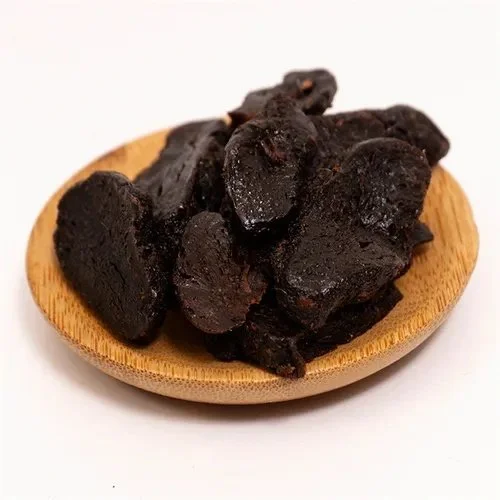
Huangjing (Polygonati Rhizoma) is a vital tonic herb in both classical materia medica and Taoist health cultivation, often revered as the “food of immortals.” Traditionally, it is used in two main forms—raw Huangjing and “nine-steam-nine-bake” Huangjing. The differences in processing not only alter the herb’s properties, flavor, and meridian tropism but also affect the direction of qi movement and the level of tonification. By reviewing历代 materia medica and integrating the Fengyangmen Taoist theory of qi dynamics, this paper systematically analyzes the mechanism of property transformation in Huangjing before and after processing. It also explores its application value in clinical tonification systems, aiming to provide a reference for both ancient processing theory and modern clinical practice.
Keywords: Huangjing (Polygonati Rhizoma); Processing; Nine-steam-nine-bake; Qi mechanism; Taoist Traditional Chinese Medicine; Fengyangmen
📜 1. The Source and Traditional Application of Huangjing
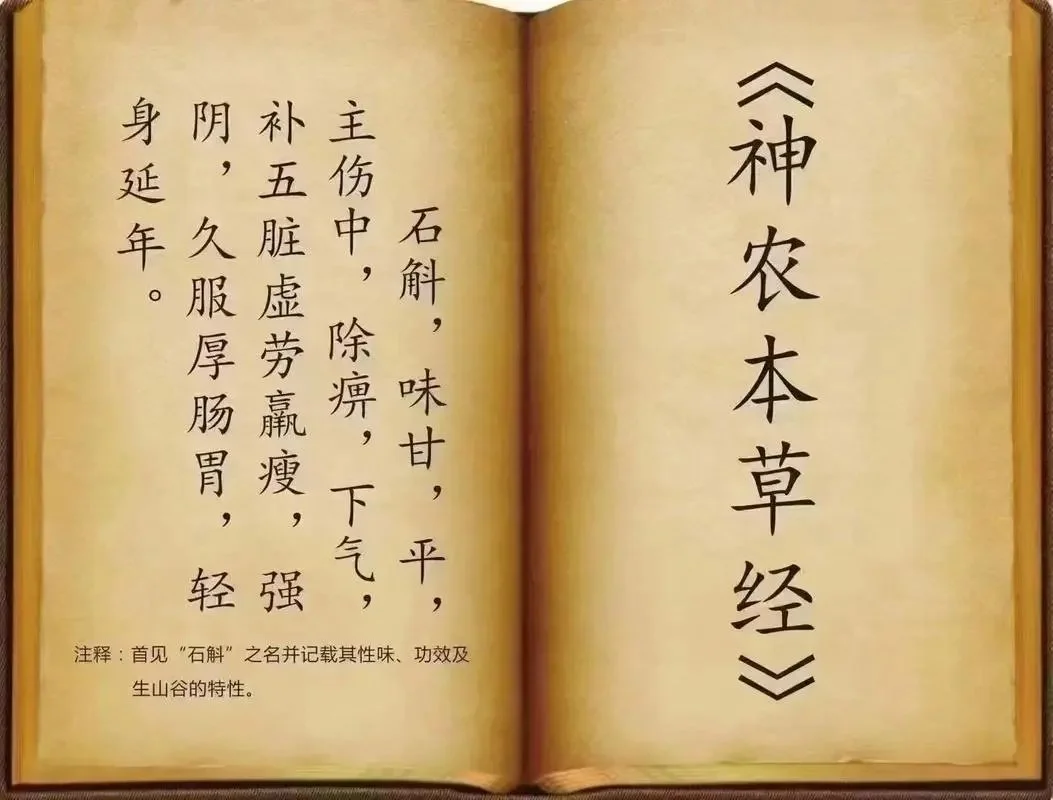
Huangjing was first recorded in the Shennong Bencao Jing(Divine Farmer’s Classic of Materia Medica) as a superior-grade herb, noted for “primarily replenishing the middle and boosting qi, dispelling wind and dampness, calming the five viscera, and prolonging life with long-term use.” The Compendium of Materia Medica(Bencao Gangmu) further states that Huangjing “tonifies all deficiencies, replenishes essence and marrow, and enriches qi and blood.”
Generations of physicians have regarded Huangjing as a tonic that supplements the spleen, moistens the lungs, and benefits the kidneys, making it a qi-and-yin dual-tonifying herb. However, its tonifying emphasis varies, with processing methods being a key factor influencing its properties.
Within the Taoist health cultivation system, Huangjing is particularly valued for its role in long-term nourishment, seen as a crucial material foundation for replenishing acquired qi and nurturing congenital essence.
🌿 2. Properties and Qi Characteristics of Raw Huangjing
(I) Properties and Meridian Tropism
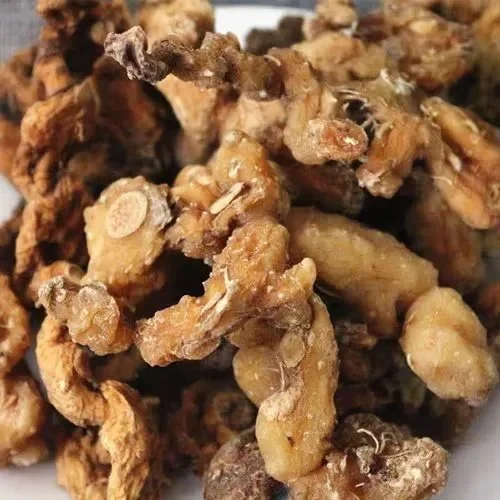
Raw Huangjing is sweet in flavor and neutral in nature, with a moistening quality. It primarily enters the spleen, lung, and kidney meridians.
From a qi perspective, its main actions are:
Moistening dryness and nourishing yin
Promoting the production of fluids and saliva
Nourishing the fluids of the lung and stomach
Mildly clearing deficient heat
(II) Qi Dynamics
Raw Huangjing is moist and slippery in texture. After ingestion, its qi dynamics are characterized by:
A tendency toward nourishing yin and descending.
Supplementing fluids without strongly raising yang.
Focusing on repairing the yin-fluid level of the lung and stomach.
The Fengyangmen school holds that raw Huangjing mainly acts on the “fluid level” of tonification. It is a yin-fluid nourishing substance, and its effects are mostly confined to repairing physical form and substance.
(III) Clinical Applications
It is suitable for conditions such as:
Yin-deficiency with dry cough
Fluid damage with thirst
Yin deficiency of the lung and stomach
Internal disturbance from deficient heat
However, its slippery and moistening nature can hinder the spleen’s transportation function, so it should be used with caution in patients with spleen deficiency and dampness.
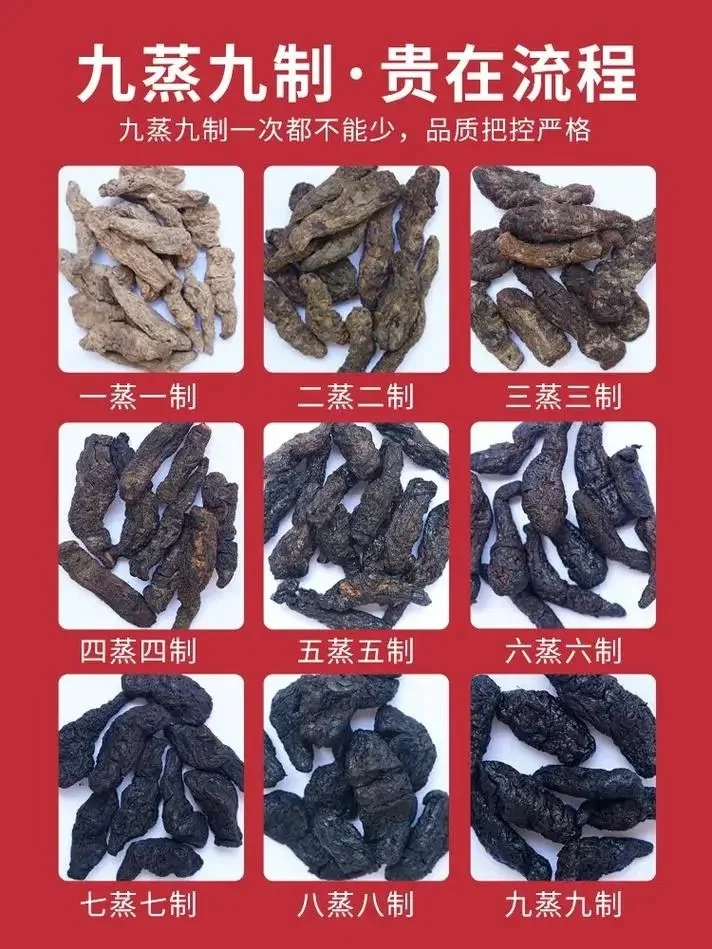
🔥 3. Processing Mechanism of Nine-Steam-Nine-Bake Huangjing
(I) Traditional Processing Method
The “nine-steam-nine-bake” method originates from ancient Taoist cultivation and materia medica traditions. It typically involves repeated steaming and sun-drying (nine times), often with the addition of black bean juice or yellow wine. The Compendium of Materia Medicastates, “Huangjing must be steamed and sun-dried nine times to achieve its tonifying effect.”
The essence of this process lies in:
Using fire to transform cold and moist properties.
Using time to transmute the herb’s nature.
Using auxiliary materials to guide its meridian tropism.
(II) Property Transformation through Processing
Repeated steaming leads to the following transformations:
Its moistening nature transforms into a warm, moist, and strongly tonifying quality.
The slippery, greasy nature that hinders the stomach is reduced.
Its ability to tonify qi and replenish essence is enhanced.
The efficiency of the spleen and stomach in absorbing it is improved.
From a qi perspective, its property shifts from “simple yin nourishment” to “simultaneous tonification of yin and yang.”
☯️ 4. Fengyangmen Qi Theory on Huangjing Processing
The Fengyangmen school emphasizes that the core of human life lies in the harmonious ascent, descent, entry, and exit of qi. From this viewpoint, raw and processed Huangjing have fundamentally different qi dynamics.
(I) Raw Huangjing: A Yin-Nourishing and Descending Herb
Raw Huangjing primarily acts on:
The generation of yin fluids.
The moistening and nourishing of body fluids.
The balancing of deficient heat.
Its qi dynamic is characterized by descending, inward containment, and yin-fluid nourishment. It is suitable for conditions like deficient fire disturbing upward, damage to lung and stomach fluids, and yin-deficiency-type vacuity.
(II) Nine-Steam Huangjing: An Earth-and-Metal Tonifying and Essence-Enriching Herb
Fengyangmen believes the essence of “nine-steam-nine-bake” is a process of “fire refining the earth to transform.” Its theoretical significance includes:
Cultivating the Spleen Earth: Enhances acquired transformative and generative capacity, improving the foundation for qi and blood production.
Supplementing Congenital Kidney Essence: Promotes the generation of essence and qi, improving constitutional deficiency and fatigue.
Coordinating Qi Dynamics: Can both restrain essence and generate qi, promoting dynamic yin-yang balance.
Therefore, nine-steam Huangjing has a deeper tonifying effect, belonging to a “three-level tonification system” that nourishes form, qi, and spirit.
🌏 5. Holistic Medical Significance of Processing Transformation
From a holistic medical perspective, Huangjing processing embodies key ideas of classical Chinese medicine:
(I) From “Yin Nourishment” to “Nourishing the Root of Life”
Raw Huangjing mainly supplements material substances, while nine-steam Huangjing emphasizes:
Enhancing vital energy and life activity.
Repairing the body’s generative and transformative systems.
Slowing the aging process.
(II) Embodying the Theory of “Cultivating the Acquired to Nourish the Congenital”
Fengyangmen stresses that a strong acquired spleen and stomach leads to nourishment of congenital kidney essence. Nine-steam-nine-bake processing strengthens the spleen and stomach’s absorptive function, thereby deepening and extending the tonifying effect.
(III) Reducing Medicinal Side Effects
Processing:
Reduces the slippery, greasy nature of the raw herb that hinders the stomach.
Improves the safety of long-term use.
Promotes the transformation and utilization of the herb’s active components.
💡 6. Clinical Application Insights
(I) Principles for Differential Application
Lung and Stomach Yin Deficiency: Favor raw Huangjing.
Qi-Yin Dual Deficiency: Choose processed Huangjing based on constitution.
Chronic Illness and Debility: Prefer nine-steam Huangjing.
Elderly Debility: Nine-steam Huangjing is suitable.
Spleen Deficiency with Dampness: Often select the processed form.
(II) Differences in Health Cultivation
In Taoist cultivation, it is commonly said:
Raw Huangjing leans toward “cultivating nature” (性).
Processed Huangjing leans toward “nourishing life” (命).
This reflects different levels of practice: self-cultivation and life extension.
🏁 7. Conclusion
Huangjing processing is not merely a simple pharmaceutical procedure; it is a crucial medical technique for transforming the levels of a herb’s properties. Raw Huangjing emphasizes moistening and nourishing yin, while nine-steam-nine-bake Huangjing, through the transformation of fire, achieves an integrated effect of tonifying qi, enriching essence, cultivating the acquired, and nourishing the congenital.
The Fengyangmen qi theory reveals that the essence of processing is the reshaping of a herb’s qi dynamics. It transforms Huangjing from a simple yin-nourishing herb into a medicine for the holistic regulation of life. This theory provides an important theoretical foundation and clinical guidance for the study of traditional processing and modern tonification therapy.