When Overseas Hometown Associations Meet Puning Traditional Chinese Medicine: A Journey of Cultural Resonance Across the Ocean
In April, a spring breeze carries warmth through the industrial park in Puning. At the entrance of Guangdong Oasis Pharmaceutical Technology Co., Ltd., a group of guests arrived, bearing a sense of "cultural nostalgia." On April 9, 2026, Dr. Wu Mingjie, Vice President of the New England Teochew Association in the USA and a Fengyang Daoist TCM practitioner, led a delegation (members of the Daoist Traditional Chinese Medicine Research Institute and the Connecticut Tai Chi Association) across the ocean. They embarked on a visit centered around "Daoist TCM culture, the intangible cultural heritage of Chaoshan Yingge, and Tai Chi wellness culture." This itinerary, coordinated by the Municipal Foreign Affairs Office and with the accompaniment of the Municipal People's Congress Overseas Chinese, Ethnic, Religious, and Health Committee and the Media Convergence Center, ultimately found a warm conclusion at our enterprise.
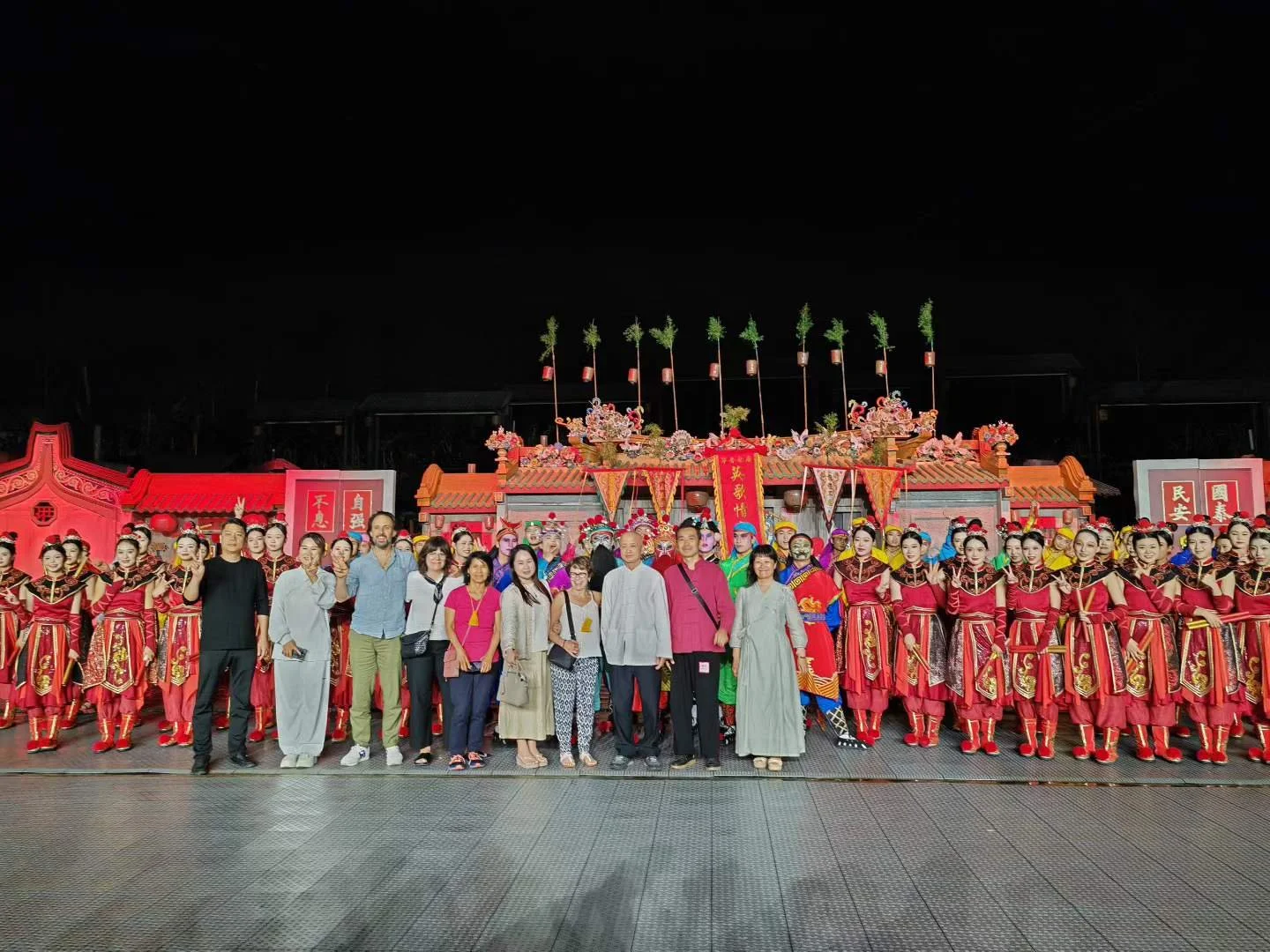
A Day's Itinerary, Weaving Puning's "Three Primary Cultural Colors"
The delegation's schedule was like a "cultural ribbon," tying together Puning's intangible heritage, medicine, and modern vitality:
15:00: They first visited the Puning Yingge Cultural Experience Center, witnessing the powerful and dynamic steps of Yingge dance, listening to inheritors explain the ancient customs of "warding off evil and praying for blessings" within the dance, and touching the "living heartbeat" of Chaoshan's intangible cultural heritage.
16:30: The convoy drove into the Oasis Pharmaceutical Park—this was the starting point for our in-depth dialogue with the delegation.
19:30: They then proceeded to the Yinggeqing Theater, experiencing the fusion of Yingge and stage art amidst the sounds of gongs and drums.
Among these, the visit to our enterprise was the segment that most made the delegation "pause and savor."
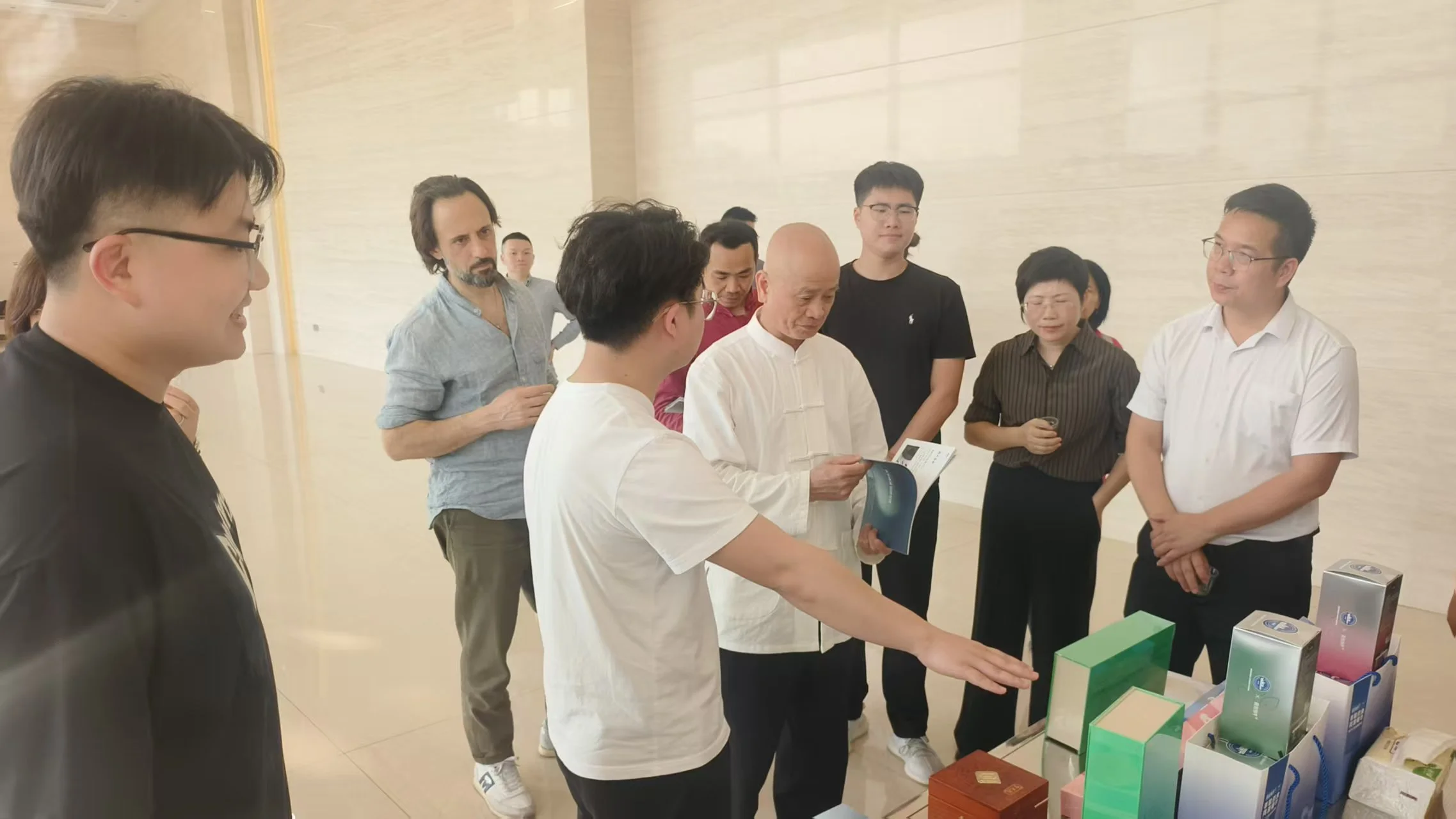
At Oasis Pharmaceutical, Understanding the "Old Roots" and "New Shoots" of TCM
When the delegation stepped into our modern production base, their eyes were immediately drawn to the intelligent production lines: from raw material extraction to finished dosage forms, every step reflected the ingenuity of "technology empowering tradition." During the symposium, we first shared the "foundational tone" of our enterprise—the operational philosophy of "seeking survival through quality, development through technology, and efficiency through management." We explained how we have attracted pharmaceutical products from Fortune Global 500 companies through "building nests to attract phoenixes and leveraging external resources and intelligence," establishing multiple modern production bases for products like Acetaminophen, Aspirin, and Caffeine Powder, Essential Balm, Anti-inflammatory and Analgesic Plasters, and Xiao Chai Hu Granules. We then discussed the inheritance of Daoist TCM culture and the modernization of Chinese patent medicines—for example, how modern processes can preserve the "authentic medicinal nature" of Chinese patent medicines and how traditional formulas can be adapted to meet contemporary wellness needs.
The liveliest part was the discussion on "the feasibility of exporting Chinese patent medicines to the United States." Delegation members gathered around the projector, flipping through our product catalogs, asking questions like "can the ingredients of Essential Balm meet FDA standards," discussing "how to promote Tai Chi wellness culture alongside Chinese patent medicines." Even the interpreter couldn't help but take extra pages of notes. This exchange contained no "diplomatic language," only "cultural resonance"—after all, everyone was "Teochew." When speaking of the roots of TCM, everyone's eyes shone.
An Exchange, Sowing the Seeds of "Cultural Resonance"
At the end of the day's reception, the delegation offered this assessment: "Your modern production base shows us the 'modern face' of TCM, while your passion for tradition lets us feel the 'power of the roots.' An enterprise like this is worth taking back to the U.S. to tell more people about." They also mentioned they would compile the visit's outcomes into a "Puning TCM Story" to share within communities and associations in the U.S. They expressed hope to stay connected and jointly promote the "taking root" of TCM culture on the other side of the ocean.
For us, the significance of this reception far exceeded merely "showcasing the enterprise"—it was a moment of "mutual recognition": overseas compatriots saw the "new vitality" of Puning's TCM, and we saw the "vitality" of traditional culture abroad. As Vice President Wu Mingjie said: "No matter how far we go, TCM with a 'Teochew flavor' will always be our 'spiritual medicinal guide.'"
The April breeze still blows. Within the Oasis Pharmaceutical park, the banner reading "Inherit the Flame of Qi and Huangdi, Safeguard Public Health" stands out prominently. This transoceanic exchange is not an end, but a beginning. In the future, we will continue to guard the "old roots" of TCM, nurture its "new shoots," let more overseas compatriots hear Puning's voice, and help more foreigners understand the "fragrance of Chinese medicine."
What are your thoughts on the overseas dissemination of TCM culture? Feel free to leave a comment and share your stories about 'cultural出海 (going global)' with us!