Introduction to Dr. Wu Mingjie’s TCM Philosophy: Following the Dao of Nature, Nurturing Body and Mind
🧠 1. Core Philosophy
Follow the Dao of Nature, Unite Heaven and Humanity
Rooted in Taoist thought, this principle emphasizes the balance of body, mind, and nature, with the harmony of Yin and Yang at the core of health.
Practice Proactive Health, Reject Passivity
Advocates shifting from being a “patient” to becoming the “guardian” of one’s own health, stimulating the body’s self-healing power rather than relying solely on medical intervention.
Eliminate Disease at Its Root, Prioritize Efficacy
Opposes short-term “quick fixes” that leave behind chronic issues. Adheres to syndrome differentiation first, addressing both symptoms and root causes to pursue complete recovery.
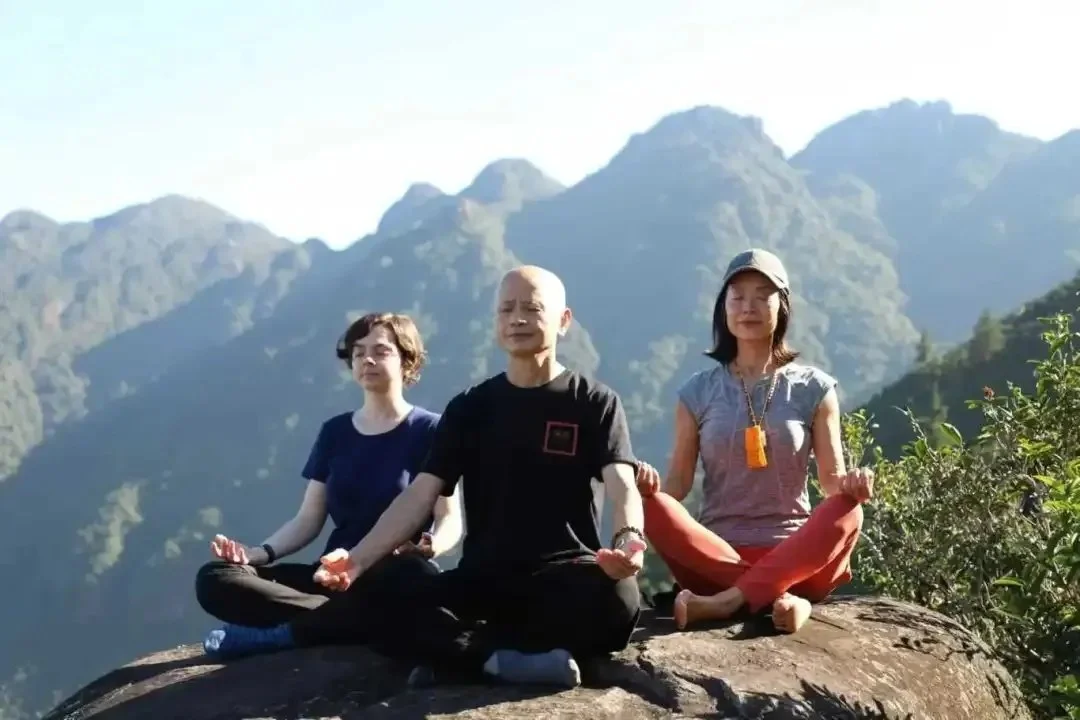
🩺 2. Diagnosis and Treatment Philosophy
Seventy Percent Nurture, Thirty Percent Cure
Centers on natural therapies to reduce reliance on chemical drugs, while integrating modern diagnostics to enhance precision.
Syndrome Differentiation and Holistic Integration
Guided by the holistic view of TCM, this approach flexibly combines Chinese medicine, acupuncture, massage, and energy therapy to address complex and difficult conditions.
Integrating Chinese and Western Medicine for Complementary Strengths
Draws on modern medicine’s precise diagnostics and employs TCM’s holistic regulation to achieve efficient treatment outcomes.
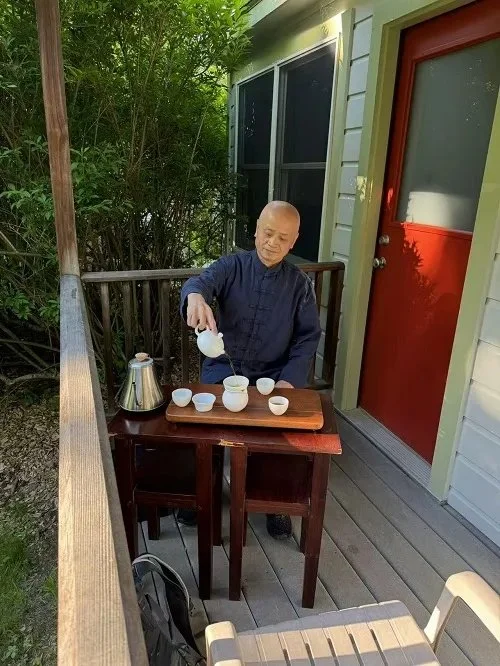
🌿 3. Health Preservation System
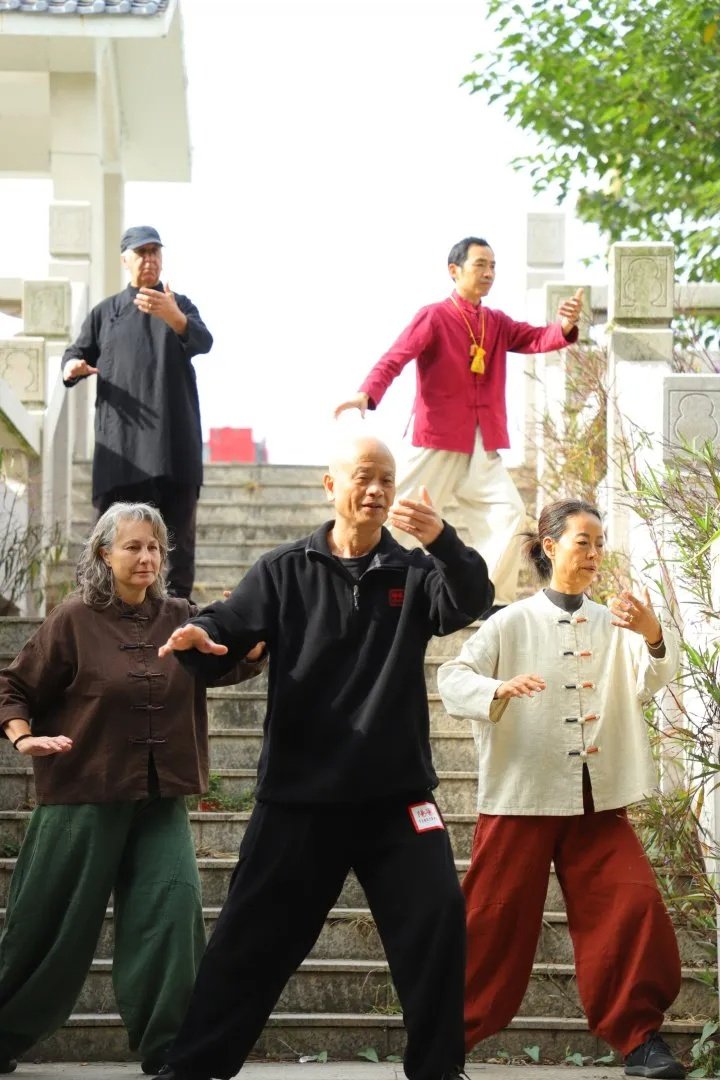
Fengyang Tai Chi
Created the “Fengyang Tai Chi Eight-Form” and “Tai Chi Stance,” emphasizing “uprightness, relaxation, stillness, and emptiness.” The practice aims to “build a strong foundation in a hundred days,” harmonizing Qi and blood while nourishing the mind.
Century-Long Health Project
Integrates Tai Chi, Daoyin (guiding and stretching), and dietary therapy into daily life, practicing the principle that “nurture is more important than cure” to promote proactive health management.
Simultaneous Regulation of Emotions and Meridians
Emphasizes the impact of emotions on health, using manual techniques and exercises to regulate emotions and unblock meridians.
🌏 4. Inheritance Philosophy
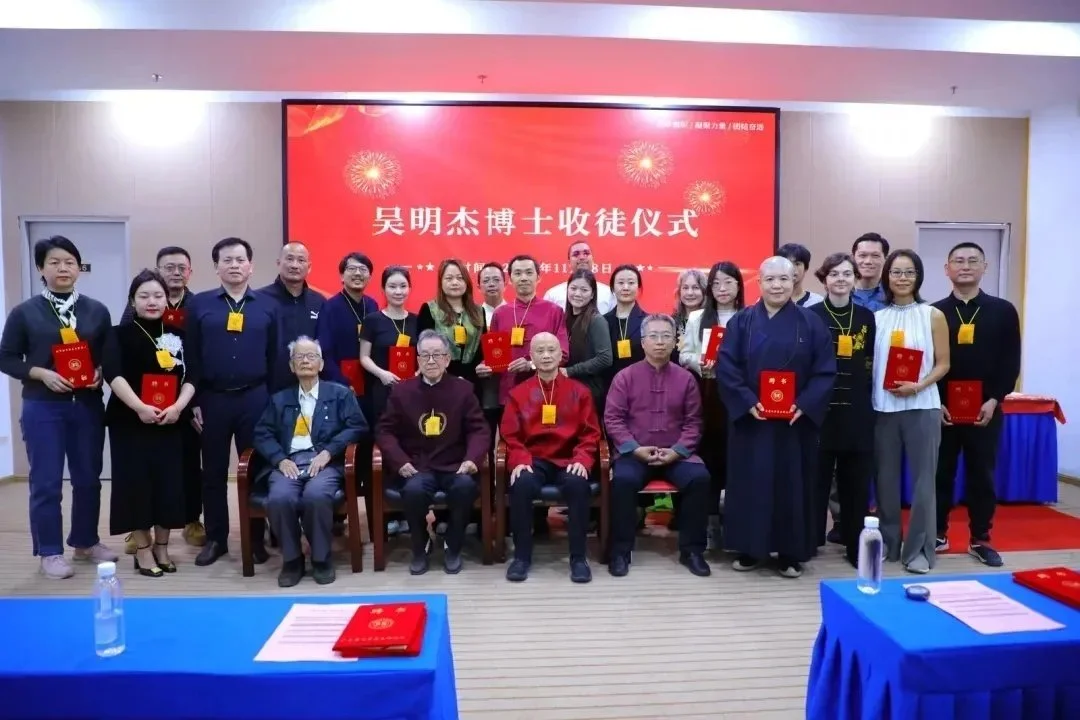
Virtue First in Medicine
Adheres to the principle of “learn virtue before learning medicine; practice medicine with integrity,” regarding TCM as a practice of responsibility and compassion.
Open and Global Dissemination
Promotes the internationalization of TCM and its integration into daily life through online classes, offline training centers, publications, and documentaries.
🎯 5. Practical Guidelines
Make syndrome differentiation the starting point for all decisions, rejecting one-size-fits-all solutions.
Make nurturing the core, with dietary therapy, Tai Chi, and Daoyin as the foundation of daily life.
Aim to enhance the body’s self-healing power, reducing drug harm and promoting long-term health.
Take inheritance as a personal mission, ensuring the wisdom of TCM benefits more people.