Keep the Flame Alive: Together We Protect the Future of Traditional Chinese Medicine
Over the years, the development of Traditional Chinese Medicine (TCM) has indeed faced many challenges. During its modernization and internationalization, some textbooks and pharmacopoeias have undergone significant changes; certain contents have deviated from TCM’s traditional principles of being simple, inexpensive, convenient, and effective, gradually shifting clinical practice toward high-cost, high-tech dependence. To a certain extent, this trend has weakened TCM’s original characteristics and strengths.
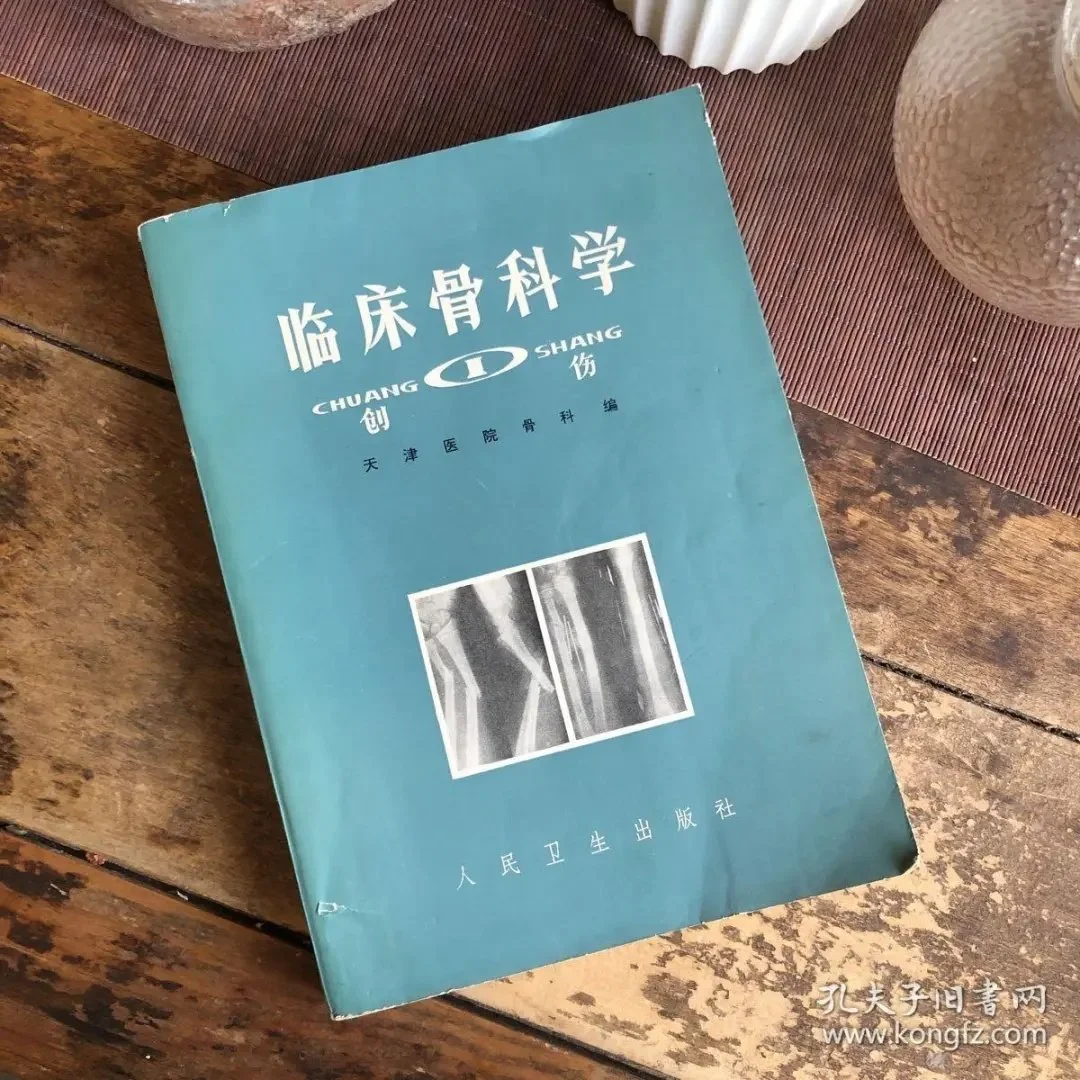
Looking back at some TCM and integrated Chinese-Western medicine textbooks published in the 1960s and 1970s—for example, Clinical Orthopedics: Traumacompiled by Tianjin Hospital in 1971—the content emphasized serving the people. In fracture treatment, it prioritized natural, safe, and minimally invasive methods such as external fixation with small fir splints, emphasizing protection of vital Qi, minimizing trauma, and avoiding unnecessary surgical interventions. This philosophy reflects TCM’s human-centered approach, holistic perspective, and pursuit of root causes.

After the reform and opening-up period, however, some medical textbooks and clinical pathways began leaning toward modern surgical techniques, increasing the proportion of operations. There is no denying that modern medical technology plays an important role in many critical care areas. Yet if we rely excessively on costly treatments while neglecting TCM’s effective, economical, and safe therapies, it is certainly worth reflecting upon.
The accumulated knowledge of TCM over thousands of years is a precious treasure of the Chinese nation. Its core values lie in syndrome differentiation and treatment, harmony between humanity and nature, and working in accordance with natural laws—not simply pursuing technologization and capitalization. Our generation of TCM practitioners who adhere to traditional clinical practice should strengthen academic exchange and collaborative inheritance, preserving and passing down truly effective experiences that align with the essence of TCM.
As long as the spark does not die out, even a single spark can eventually start a prairie fire.
The future of TCM lies not in confrontation, but in upholding our roots, embracing openness and inclusiveness, and innovating while staying true to our principles.